We've stumbled upon this great article involving Expert Tips for Managing a Plumbing Emergency Until Help Arrives down the page on the internet and felt it made good sense to quickly share it with you over here.
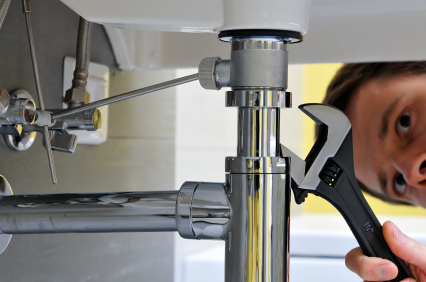
Plumbing emergencies can strike at any time, causing anxiety and possible damages to your home. Whether it's a ruptured pipeline, a clogged up drain, or a leaking faucet, knowing just how to take care of the circumstance until a professional plumbing professional shows up can save you from further difficulties. This post offers important emergency pipes tips to help you minimize damages and restore control throughout a pipes crisis.
Switch off the Water System
The initial step in any pipes emergency is to shut down the water. For localized issues, such as a dripping faucet or toilet, switch off the valve near the fixture. When it comes to a major leakage or burst pipe, situate your home's primary water shut-off valve and transform it off instantly. Recognizing the place of these valves ahead of time can save useful time during an emergency situation.
Address Little Leaks with Short-lived Repairs
Small leakages can quickly come to be considerable issues if left unchecked. Make use of these short-term solutions up until specialist assistance gets here:
While these solutions aren't permanent, they can aid minimize water loss and damages.
Unclog Drains Pipes Securely
A blocked drainpipe can be a frustrating and untidy concern. Here's exactly how to tackle it:
If these methods don't function, stay clear of using excessive force, as it might get worse the blockage.
Take Care Of Overflowing Toilets
An overflowing toilet can trigger instant disorder. Here's what you should do:
Shut down Your Hot Water Heater
In particular emergency situations, such as a ruptured pipeline, it's important to shut down your water heater. This avoids overheating or damage to the system when water stops streaming. Turn off the power supply to the water heater (electric or gas) and let it cool down to avoid prospective dangers.
Briefly Stop a Burst Pipe
A burst pipe can lead to significant water damages in mins. To minimize the issue:
Call an expert plumbing instantly to attend to the issue permanently.
Handle Frozen Piping Very Carefully
In chillier climates, icy pipelines are an usual emergency situation. If you think a frozen pipeline:
Protect against Additional Damages
Taking quick activity to lessen damage can conserve you time and money over time. Below's exactly how:
. Have an Emergency Situation Plumbing Kit
Prepare a standard plumbing emergency situation kit to manage minor problems effectively. Your kit should consist of:
Having these tools available can make a substantial difference in your ability to handle emergencies.
Know When to Call an Expert.
While quick fixes can aid temporarily, specific pipes issues need prompt professional interest. Call a plumbing professional if:.
Quickly speaking to a professional makes sure the concern is dealt with properly and avoids further problems.
Final thought.
Pipes emergency situations can be overwhelming, yet with the appropriate knowledge and tools, you can take care of the situation efficiently till help shows up. By switching off the water supply, dealing with little leakages, and making use of temporary fixes, you can lessen damages and maintain your home safe. Remember, these ideas are short-lived solutions; always seek advice from an accredited plumbing professional to manage the origin of the problem. Preparation and quick thinking are your finest allies in any kind of pipes emergency.
8 Helpful Tips for Managing Plumbing Emergencies at Home
If your plumbing system hasn’t failed once, wait for it because almost everyone has a story to tell. Sometimes, it could be simple emergencies such as a leaking pipe, a blocked cistern, or even a big burst pipe. In situations like this, you need to have some handy tips to save you some money and from possible damages.
Take care of minor issues early.
Sometimes, you could have avoided an emergency by taking proactive measures while it was still early. Some major plumbing emergencies can be a result of an ignored minor issue. We recommend that you have items like plumbing tapes and other related items. A plumbing tape can allow you to manage minor leaks before the plumber arrives.
Cut off the water supply.
This tip is essential in almost any type of leakage problem. For problems like minor leakages in the toilet or kitchen, turn off the supply that takes water to the affected pipes. If the leakage is a major pipe, you must shut off the supply valve to the entire building. This will help you avoid flooding your home and neighbors if you share a flat.
Know your plumbing system
Folks typically move into a new apartment without understanding the water supply around the building. This can prove disastrous if a water emergency arises and the plumber is far away. The previous tip will prove useless if you don’t practice this one. More importantly, know where your water shut-off valve is located – you’ll need that knowledge to prevent potential home floods.
Have some common handy tools
There are lots of plumbing emergencies that you can handle without hiring a plumber. That’s why you must keep some tools available always. Some tools that you can use to fix simple plumbing emergencies easily include plumbing tapes, screwdrivers, thread seal tapes, plungers, pliers, tape measures, and rubber gloves.
Insulate your pipes from cold
You’ll save yourself from many plumbing expenses if you protect your water pipes from the cold. This is because of the harmful effects that cold weather can have on your pipes. During winter, your pipes can burst from being overly expected to freezing temperatures. So, make sure insulators are there to keep the pipes working correctly.
Avoid practices that will clog your toilet.
Many people indulge in practices that can damage the plumbing system of the entire building. One of these is when they use their toilet to dispose-off garbage. They flush all kinds of things, such as paper towels, bandages, hairs, female sanitary products, etc., down the toilet. This will block your toilet in the long run, incurring unnecessary expenditures. Dump such waste in the trash instead.
Check your dials regularly.
Sometimes, there could be leakages in your home without noticing them in time. So, constantly monitor your water meter dial. If the dial is reading when there is nobody using water, this is an indicator that there is leaking. Check for leaks immediately. Call a plumber as soon as possible if you can’t find any.
https://www.constructionplacements.com/8-helpful-tips-for-managing-plumbing-emergencies-at-home/

I stumbled upon that page on Expert Tips for Managing a Plumbing Emergency Until Help Arrives when surfing the web. In case you enjoyed our page kindly do not forget to share it. Kudos for being here. Revisit us soon.
Call Today